
I’m continuing my series of interviews focusing on piano pedagogy featuring professors and faculty members of universities and music conservatoires around the world. My latest guest writer is Frank Huang who is an American concert pianist and Associate Professor at Miami University which is based in Ohio, USA.
Over a series of four posts, Frank answers questions about his life and lifts the lid on his work with his students. In Part 1, we focus on his training, background and education.
Tell us a little about your background. When did you begin your piano journey and was there a particular reason that you started piano lessons?
I began lessons when I was five. When my mom was pregnant with me, she took piano lessons and thought that music would be something that I would enjoy. She was so right! There was something about music making and the sounds coming out of the piano that fascinated me. As a young student, I never really found practising a chore. For me, I enjoyed the process of working and refining musical details.
Who was your first teacher and for how long did you work with them?
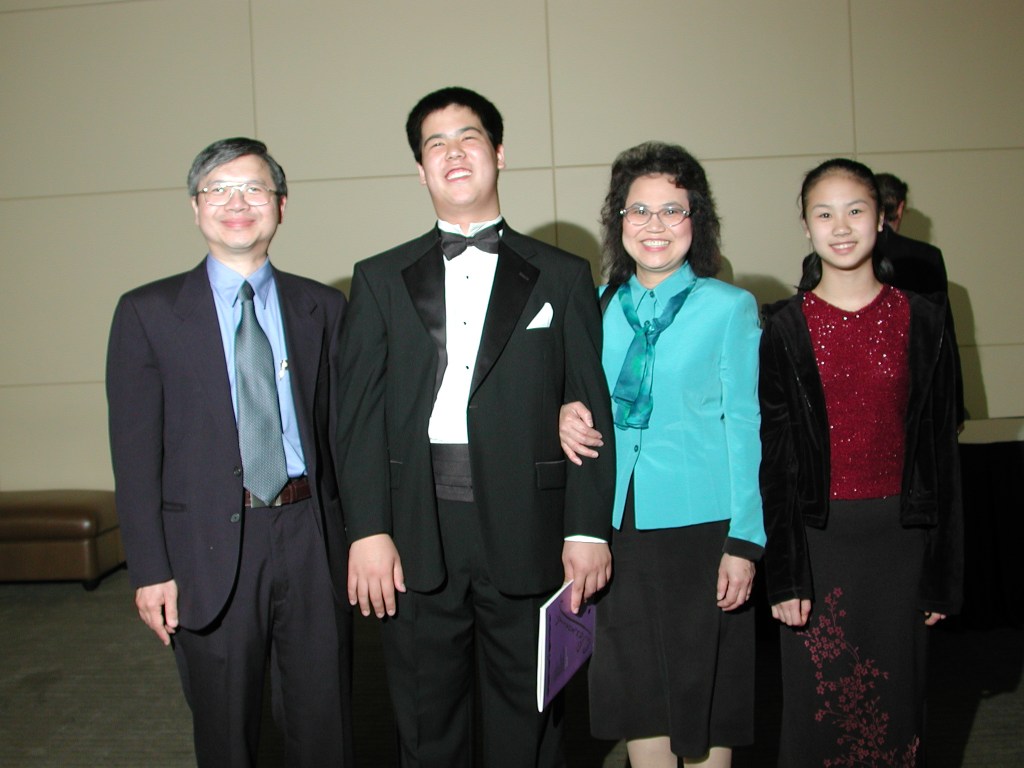
My first teacher was Michael Jacobsen. I studied with him for about six years before he relocated to New Jersey, USA. His pedagogy centred around the Suzuki method, and as a result, I was able to learn and memorise music rapidly.
What are your first performance memories?
So many to list here! I remember many of my “firsts”— my first recital in grade school where I played selections from Anna Magdalena’s Notebook; my first solo recital when I was twelve, which consisted of a thirty-minute programme consisting of Scarlatti, Beethoven, and Chopin. This was especially memorable because I remember it not going particularly well. I had major memory problems in Beethoven’s Sonata, Op. 2, No. 2; however, it was a great learning experience as it was a trial run for one of my first competitions in Seattle which I ultimately won second prize.
Other firsts include my first concerto performances with orchestra: Mozart Concerto in A Major, K. 414 with the Sammamish Symphony Orchestra, a regional orchestra outside of Seattle, Washington.
I am fortunate for all these fond memories when I reflect on the journey on how I got here.
Did you enter many competitions as a young pianist?
I was involved in several piano competitions as a young pianist. As I mentioned earlier, one of my earliest piano competitions where I took second prize was the Music Teachers National Association (MTNA) at Washington State. It wasn’t until my high school years where I won the state level and advanced to the regionals, placing second there.
Outside of Seattle, my first international competition at the age of fourteen was at the International Institute for Young Musicians, a summer programme in Kansas. Everything was such a blur, but I remember that I had to prepare a short recital programme and Mozart’s Piano Concerto in E Flat Major, K. 482. I recall being mentally wiped! Fortunately, I ended up winning first prize and had the opportunity to perform the same Mozart concerto with the Festival Orchestra of Lima in Lima, Peru.
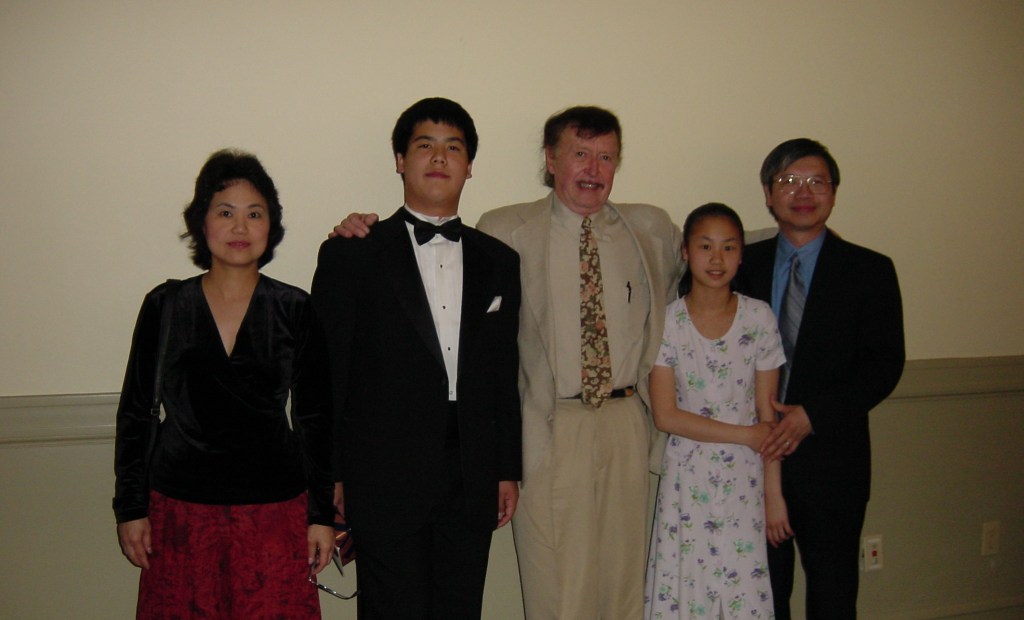
Peru was such a memorable experience. I travelled with my father and my teacher, Willard Schultz. We all had a great time embracing the food, culture, and yes, the llamas! Also, the crazy taxi driving was something to not be missed as well!
My overall positive experience, however, took an unexpected turn when I showed up for my first rehearsal. As the orchestra began its opening tutti, I had a look of shock and dismay. They had the wrong Mozart E flat concerto…they had K. 449! I politely interrupted the conductor and whispered, “Um, excuse me Maestro, but I believe you have the wrong concerto…” After several exchanges, we realised that there must have been some sort of miscommunication. The conductor wasn’t sure if he would be able to obtain the scores and parts of K. 482 in time for the concert which was four days later. This was when I realised that if I wanted to have this opportunity, I was going to have to learn K. 449. And so for the next three days, I practised all day and night with my teacher to get the music learned as soon as possible. I honestly don’t remember much during this time!
Less than 24 hours before the concert, the conductor notified us that they were able to get the scores of K. 482 and that we would have the dress rehearsal of that concerto just hours before the concert. Given the circumstances, the concert turned out as well as it could have, but I was incredibly nervous!
Do you feel that the competitive element is helpful in a young pianist’s journey as a musician or is it detrimental?
To me, the greatest value of competitions is that they can lead to additional performances, expanded career opportunities, and heightened visibility as a prize winner. But even if one doesn’t win, competitions are great opportunities to network with outstanding musicians. I have met such individuals through competitions that I have collaborated in concerts and projects together.
Another positive facet of competitions is the process of preparing recital programmes to the highest level. It requires unwavering discipline and patience to constantly refine musical details and perform under a high-pressure environment. They certainly build mental fortitude! These were things that I learned through my experiences as a participant in several international competitions.
On the other hand, I do believe that balance is vital to a young pianist’s musical development. Entering in too many competitions can take time away from building repertoire and working on musical fundamentals, or what I like to call, “musical building blocks.”
Béla Bartók famously said that “competitions are for horses, not for artists.” And to a certain extent, I agree. Because of the gruelling nature of competitions and contestants striving to attain a high level of technical facility and accuracy, sometimes the artistic product can suffer.
Competitions, of course, can be incredibly subjective. Jurors value aspects of a good performance differently which can often lead to disagreements. As constant learners and developers of our craft, I think this is a good thing though! From my own experiences as an adjudicator, I enjoy learning from colleagues.
You studied with Willard Schultz at the Academy of Music Northwest, in Seattle, WA, USA. How did he shape you as a musician and what repertoire did you focus on as a young student?
Willard Schultz, who studied with Russian pianist Boris Roubakine at the University of Calgary, was instrumental during my formative years. Under his tutelage, I built a considerable amount of standard repertoire: Beethoven Sonatas, Chopin Nocturnes and Etudes, Bach Preludes and Fugues from both books of Well-Tempered Clavier, Mozart Sonatas, Haydn Sonatas, and other substantial Romantic and 20th century literature. He was also emphatic that I had a balanced and varied programme, specifically always having Bach in my repertoire: something that I remain grateful to this day. While studying with him, I learned my first concerto, Mozart Concerto in A Major, K. 414, and had the chance to perform it with a local orchestra in the Seattle area. I also learned some of my other favourite concerti with him such as Chopin E minor and Prokofiev Third Piano Concerto.
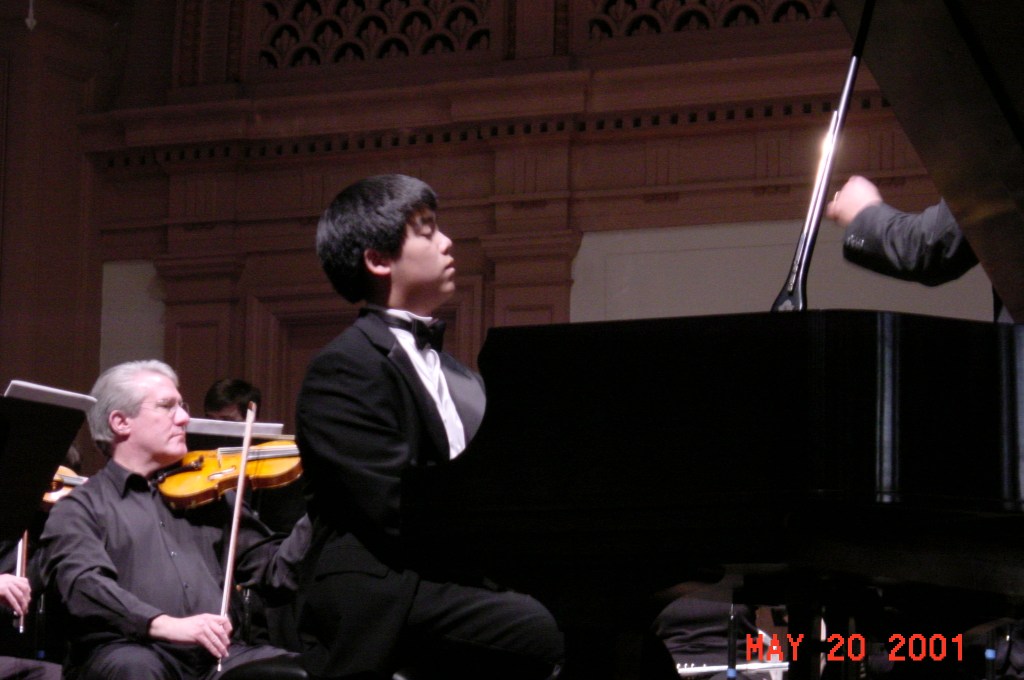
I also credit Willard Schultz with developing my technique and pianistic approach, specifically playing tension-free with the use of supple arms and wrists, which enabled me to delve into increasingly challenging repertoire. My studies with him culminated in my graduation recital before heading off to college, a programme consisting of Chopin Etudes, Op. 10, Liszt, Hungarian Rhapsody No. 12, and the Barber Sonata, among other works.


I studied with Willard for nearly seven years before heading off to college. During that period, he became like another father figure to me. He travelled with me to local, regional, and international competitions and concerts. Even after I left for Juilliard, his mentorship and support continued. Oftentimes, he would travel to attend my milestone achievements. When returning home for the holidays, I would always visit and play for him, and this tradition would continue until 2022 when he passed away. We had a wonderful friendship and I am grateful for that.
What was the most important advice Willard Schultz gave you as a young pianist?
“Always have fun when performing.” This simple, but effective, motto has always been an important tenet while I am on stage—advice that I currently pass on to my students. In the practice room, we work tirelessly to perfect every phrase and musical detail. If this mentality is the sole focus while we are on stage, the music becomes lifeless. I found this allowed me to “clear my brain” and just enjoy making and sharing music with the audience.

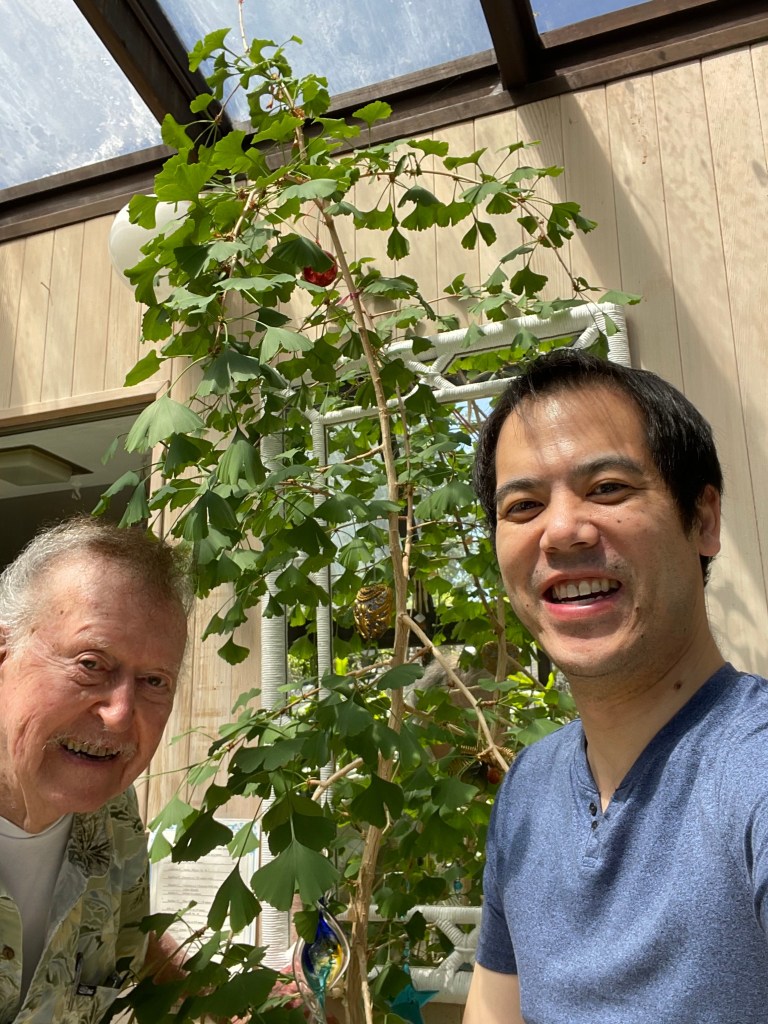
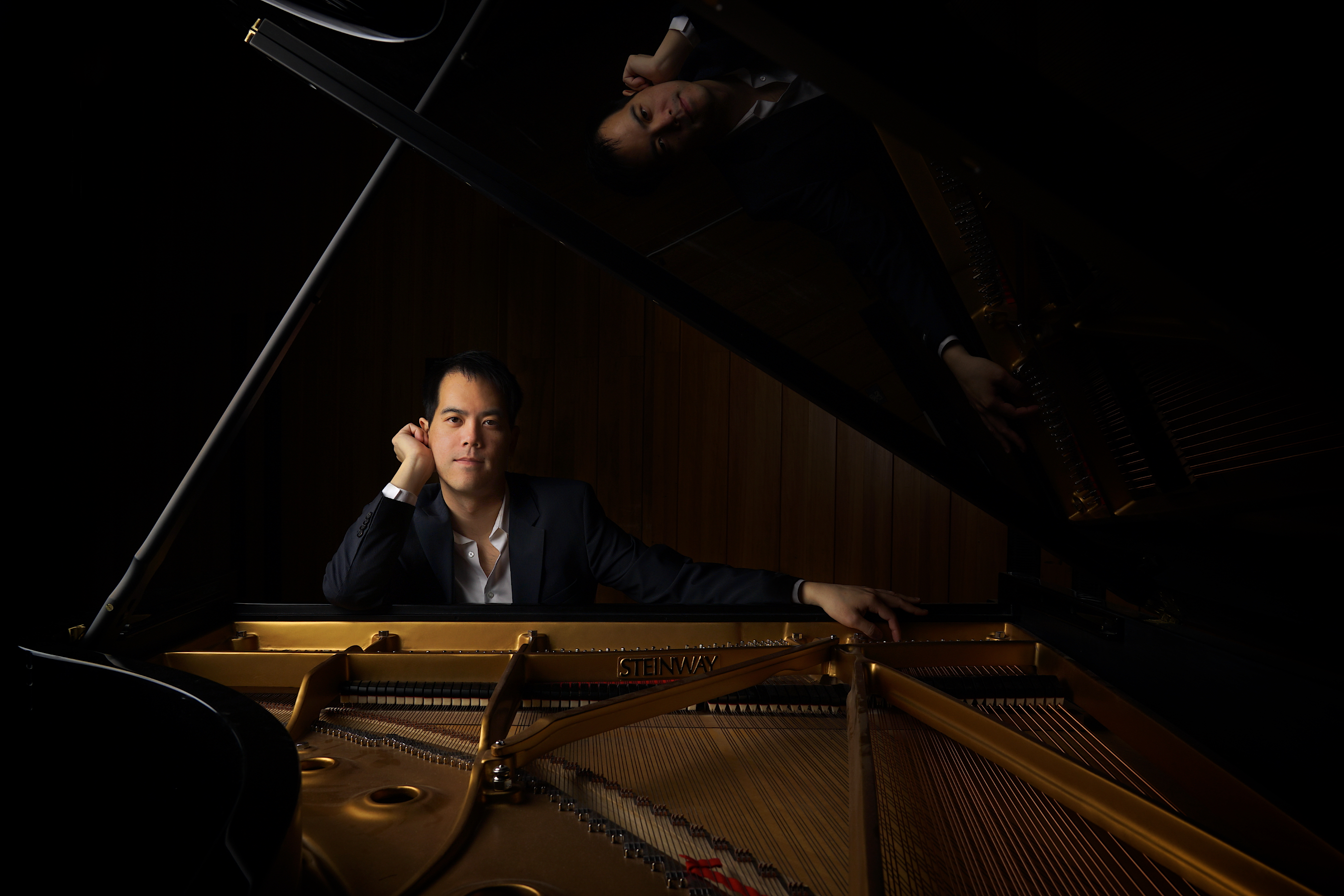
Image: Tina Gutierrez

This is a marvelous series and I sppreciate each installment@
That’s great to hear, Barbara. Thank you for your support. 🙂
A wonderfully genial, enlightening, and insightful installment. Many thanks for posting!
Thank you, Jack. I’m delighted that you are enjoying this series. Melanie