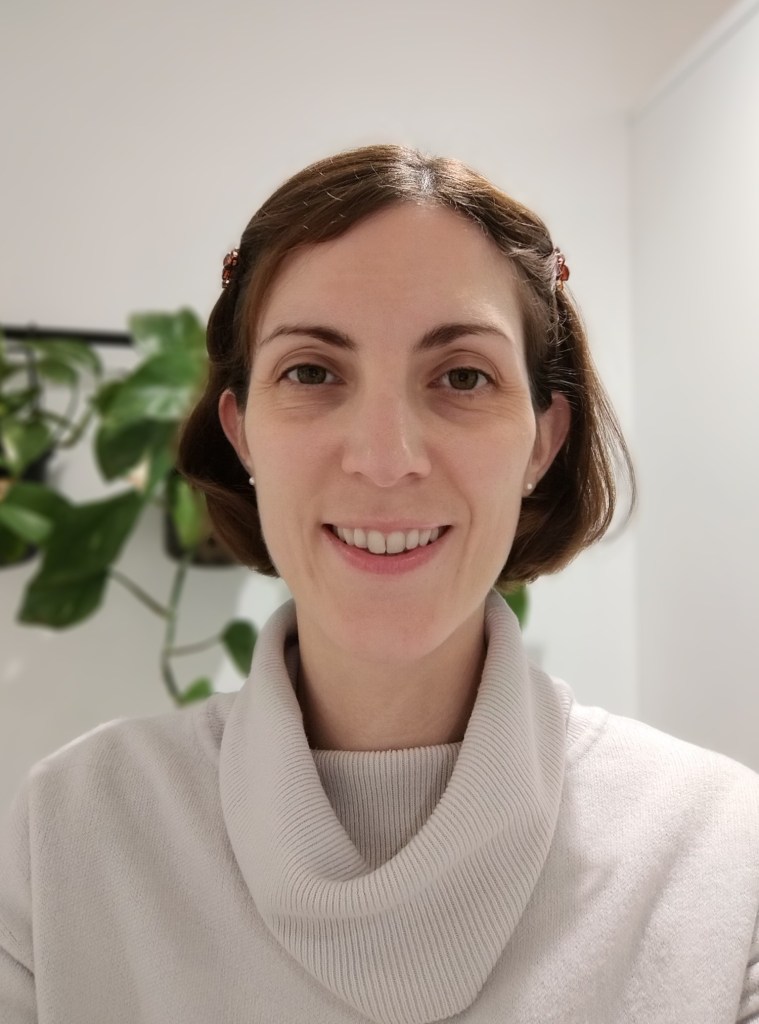
I recently published a post about my experience working with three students who were all preparing for their ARSM (Associated Board of the Royal Schools of Music or ABRSM) performance diploma exam. You can read it here. Today’s guest post has been written by one of those students: Becky Flisher. Becky is an adult piano student who has been working with me for a while. She has taken several graded piano exams but this was her first diploma.
Becky largely plays for fun but more recently has become interested in piano teaching and she is currently studying on the EPTA Piano Teachers’ Course. She achieved a distinction in the ARSM with a mark of 45 out of 50. We are now working towards the ATCL performance diploma exam. In this article she reflects on her ARSM experience.
My name is Becky and I’ve been studying with Melanie for the last nine years. I’m an adult student, learning for pleasure. For me, the piano serves as an opportunity to switch off from work and clear my head, much like mindfulness or meditation does for others. It’s a fun pastime, and yet as an academically-minded person I also enjoy the structure of having something to aim for. My latest target was the ARSM diploma.
I’ve taken several exams under Melanie’s tuition, and in addition to the learning of the pieces themselves, I find it’s taught me so much about myself – my resilience, my capabilities, my mindset. I thought I’d share with you some of my learnings this time around.
1.
Progress isn’t linear: There were days at a time when I felt my progress had stalled or that I was even moving backwards. But I knew from past experience that sometimes progress takes a sudden leap forward – a certain barrier is passed and difficulties overcome. Progress isn’t steady and so consistency and persistence of approach are key to breaking through that barrier.
2.
Focus on the inputs: Knowing that progress isn’t linear, focusing on the inputs helped me tremendously – I aimed for regular, focused, intentional practice – and trusted that the outputs would take care of themselves. In other words, ‘control the controllables’ – I focused on getting the most I could out of each practice session, ensuring I was well-rested, making sure my practice was intentional and that I wasn’t on ‘autopilot’, building my concentration by playing longer excerpts from my programme each day… if you control the inputs you will have prepared yourself as best you can and the output should naturally follow.
3.
Build the muscle of habit: When you are under pressure, are tired or are anxious you don’t rise to the occasion, instead you drop to the level of your habits, so I tried to make a habit of practice. For my ARSM, for the first time rather than taking a live exam I submitted a recording. On the face of it, this would seem to be the easier option, and it certainly was less nerve-wracking than performing live to an examiner, however I found it much harder to motivate myself without the hard deadline of an exam date. To get round this I made a commitment to myself that I would record my programme every day for a week, no matter what. It turns out this was an excellent decision as my best recording (and the one I submitted) was taken on a day that I didn’t feel well. I recorded that day only because of that commitment to myself. On reflection I’m convinced that it’s precisely because I felt unwell and had mentally ‘written off’ the recording, that I relaxed, took more risks and played more musically as a result. So always hit record, just in case!
4.
Enjoy the learning process: There’s one other significant takeaway I’d like to share and that relates to choosing the programme. I’ve always tried to select pieces that I enjoy – this seemed to be important if I was to be motivated to practice the piece, however this time I found the opposite to be true. Some of the beautiful melodies I found so engaging at first, started to sour slightly after so much repetition. In contrast, the pieces I hadn’t felt drawn to, began to grow on me, and by recording day they were among my favourites. I have found that my exam repertoire has broadened my musical appreciation considerably. Next time I choose a programme, I’ll focus on pieces I will enjoy learning and exploring, rather than pieces I will simply enjoy playing – after all, we spend so much time in the practice room, let’s ensure the learning and exploration process is as pleasurable as the playing!
Reflecting back, I’ve greatly enjoyed this latest exam experience, and I think it’s quite significantly altered the way that I will choose repertoire and approach my own learning moving forwards. Certainly I feel more confident that improvement will, and does, come in time, and I have more trust in the learning process. I hope there is something here that resonates or may be of interest to you and wish you the best of luck in your practice and piano journey.
Becky’s ARSM programme
Adagio in B minor K. 540: Wolfgang Amadeus Mozart
Prelude No. 13 in G flat major and Prelude No. 22 in G minor from Preludes Op. 11: Alexander Scriabin
Scènes d’enfants: Frederic Mompou
Night Pieces: Peter Sculthorpe