Over the summer, I had the good fortune to adjudicate at an up-and-coming music festival and competition in London held at the Royal Academy of Music (pictured above).
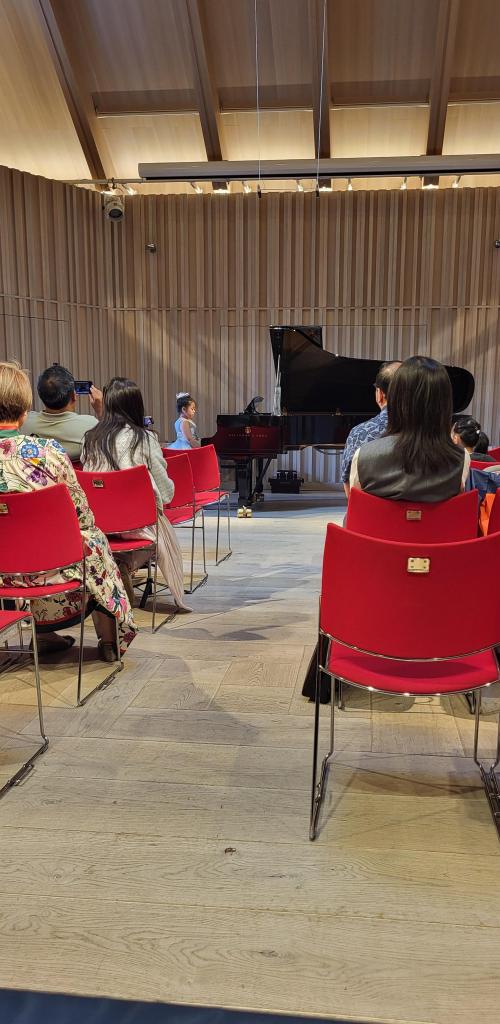
The Opus One Summer Music Festival concluded its second edition this year, further establishing itself as an international platform for young musicians. The week-long programme running in early August welcomed 30 participants aged from 8 to 26 from four countries, offering solo masterclasses, chamber music workshops, and public performances across London.
Founded initially as a chamber music production company by Canadian pianist and entrepreneur Shirley Wu, Opus One Music began by producing concerts that emphasised the social function of chamber music and created employment opportunities for young professional musicians. Its roots trace back to the Festival de Musique Ça Va Bien Aller, a Montreal-based online initiative which began in 2020, bringing together 15 international musicians for weekly concerts during the pandemic and which received commendation from the Office of Canadian Prime Minister Justin Trudeau.
The inaugural 2024 edition featured a special Studio Ghibli concert performed by festival professors and professional musicians, with media support from the Embassy of Japan in London, who included the event on their official cultural calendar.
In 2025, the festival expanded to a full week, adding violin masterclasses, two additional faculty members, and a broader range of repertoire. Participants included a delegation from Thailand, as well as students and alumni from leading institutions such as the Mannes School of Music, Manhattan School of Music, Chetham’s School of Music, and junior departments from the Royal Academy of Music, Royal College of Music, and Royal Birmingham Conservatoire.

The 2025 programme focused on French repertoire, with chamber works by Darius Milhaud, Mel-Bonis, Camille Saint-Saëns, and Maurice Ravel. The faculty was fluent in both English and French, and included Pascal Nemirovski, Julian Jacobson, and Madeleine Mitchell, who all supported the bilingual and international audience. There were also professional recitals and concerts held throughout the festival for students to enjoy. Building on this foundation, the festival will expand to Paris and London in 2026.
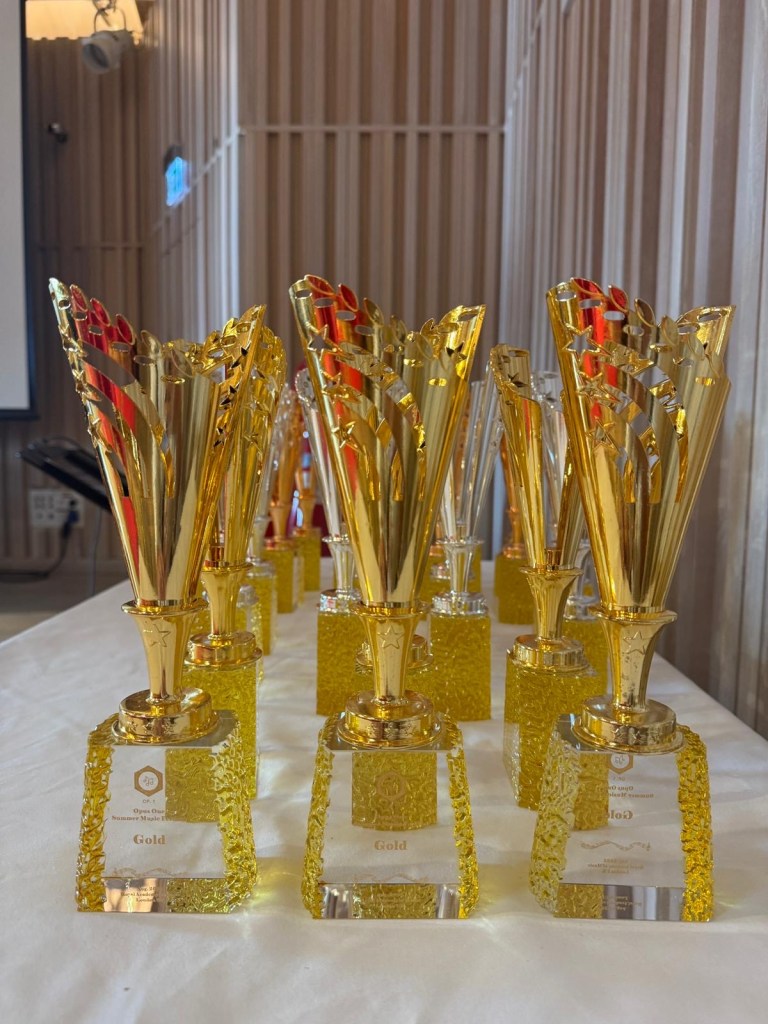
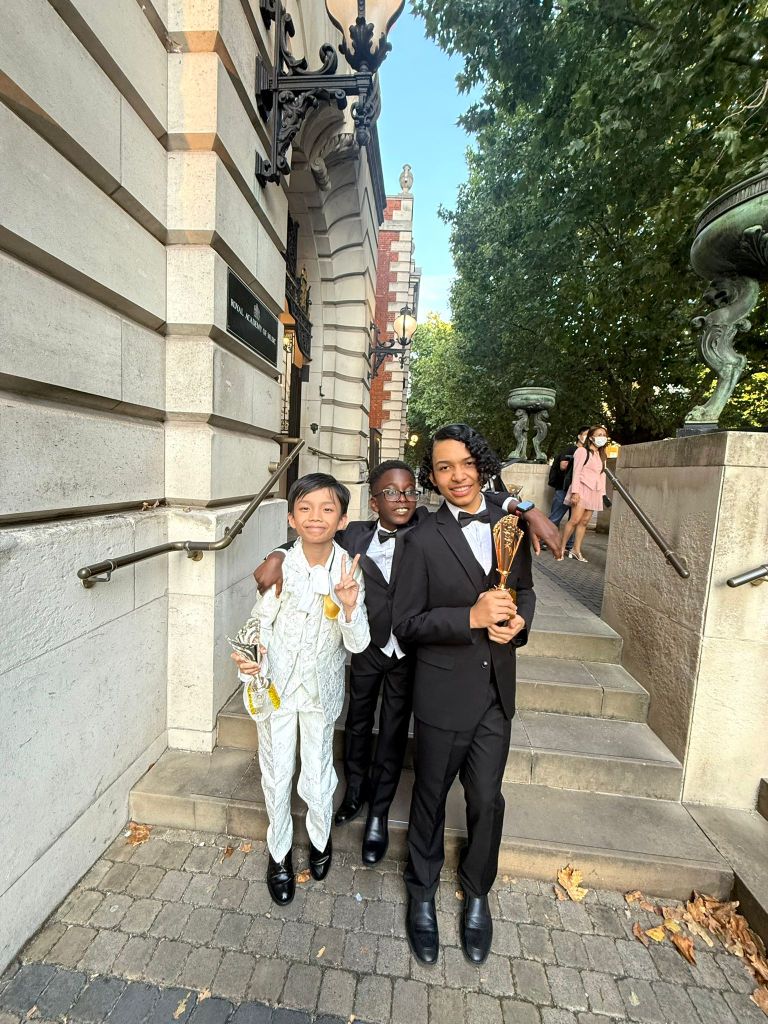
A piano and chamber music competition was included for the first time this year and I thoroughly enjoyed adjudicating at this event alongside fellow jury member Michael Steer.
In the following short interview, I asked Shirley about her background and vision for her festival going forward:
Tell us a little about your background?
I’m Shirley Wu, a pianist, educator, scientist, entrepreneur, and journalist. Trilingual, I grew up in Montreal, where I pursued a dual degree in Health Science and Piano Performance at Vanier College, followed by studies in Physiology and Classical Piano Performance at McGill University. I later completed postgraduate training in Performance Science at the Royal College of Music in London.
Beyond music, I worked as a journalist and PR specialist for Chinese Community Television, and as a journalist and critic for La Scena Musicale in Montreal, where I conducted exclusive interviews with winners of the Concours Musicale International de Montréal in 2019, 2022, 2023, and 2024 (I gave birth in 2025). I also worked at the Clinique de l’Artiste in Montreal as an artistic consultant. I have presented conferences on musician injury awareness and performance assessment in English at McGill University, in French at l’Orchestre de la Francophonie, and in Chinese at Changjiang Professional College in Wuhan, China.
In 2014, I founded Opus One Music. What began as a platform for professional musicians to produce chamber music concerts in high-end residences and connect with performance opportunities has evolved into an international initiative, also supporting and showcasing young music students.
What was the inspiration behind your festival?
The inspiration behind Opus One was simple: to revive the social function of chamber music. Back in 2013, while living in San Francisco—a city where technology is so advanced—I often felt it was precisely there that we most needed to step offline and gather ‘autour du piano’ to enjoy music together. Drawing on the tradition of the Parisian salon, where friends and artists would share music in an intimate setting, our aim has been to bring chamber music back into people’s living rooms, restoring its warmth and communal spirit.
The Festival Ça Va Bien Aller was born in 2020, during the COVID-19 pandemic, when its very first edition was held online to connect friends and students confined at home. Since then, I have continued to teach online.
In 2024, Opus One was incorporated in the UK and launched the first Opus One Piano Festival, finally welcoming students I had taught—but never met in person—from the USA, Canada, and the UK. Together with festival professors and invited guest performers, we also presented a Studio Ghibli–themed concert, performing Ghibli’s music in a classical style: our favourite way to play, and also a way of reimagining the salon tradition for today.
In 2025, the festival expanded further, growing into the Opus One Music Festival and opening its doors to instruments beyond the piano. For the professional musicians’ concert, we curated a programme devoted entirely to Ravel. Looking ahead, we plan to continue inviting musicians who first performed in the 2020 Festival de Musique Ça Va Bien Aller, while also welcoming new professors, exploring more venues, and broadening the scope of the festival. Our vision is to create a platform that unites both emerging and established artists in the spirit of shared music-making, carrying this tradition into the future on an ever larger scale.
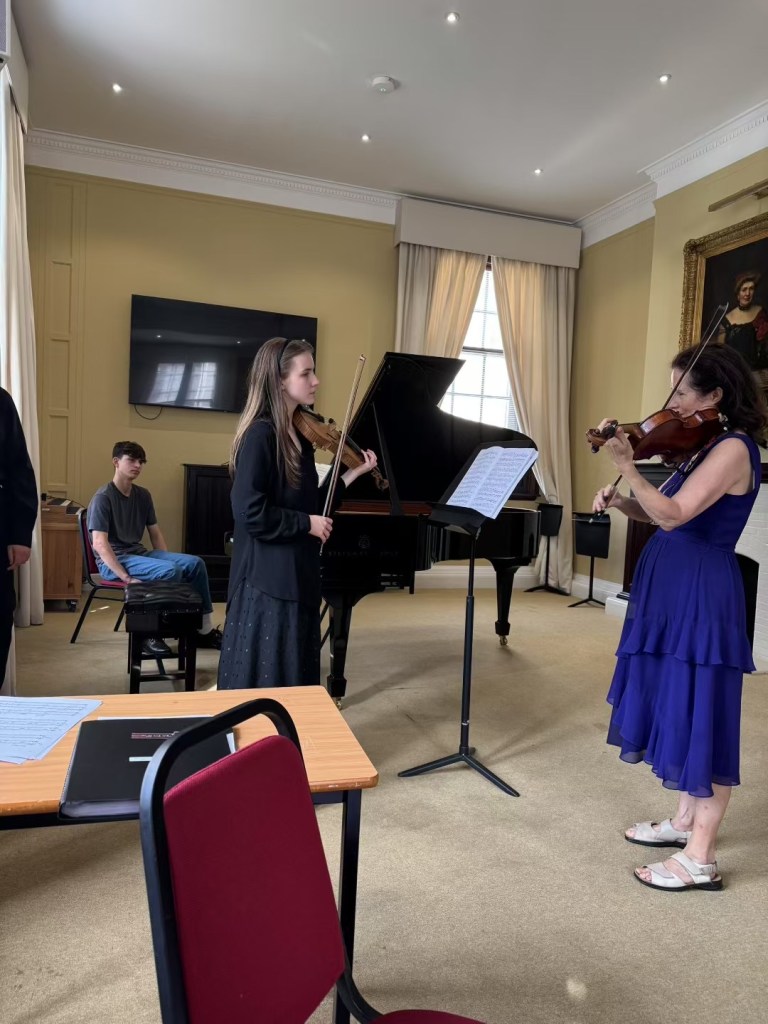
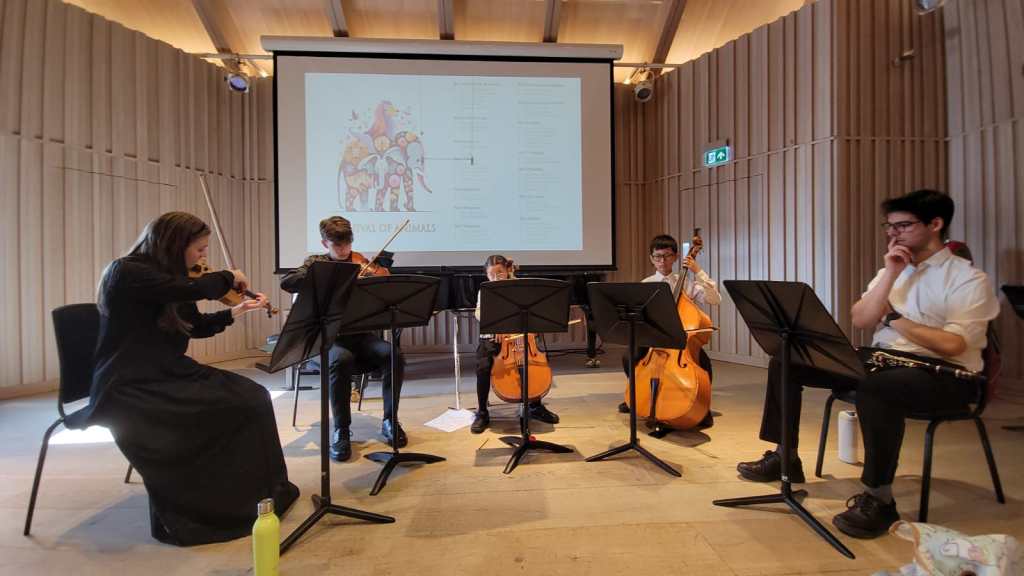

Do you plan to extend the summer school, adding professors, more venues and more concerts?
The size and scope of next year’s festival will depend on registration. Last year, we welcomed 10 students, and this year, the final day featured 30 participants. To support further expansion, we aim to recruit more advanced conservatoire students, as well as additional professors.
We plan to extend the chamber music programme to include both string and wind instruments, while offering a wider range of repertoire. Students will be encouraged to perform not only their exam syllabus pieces, including ABRSM in the UK and RCM in Canada, but also additional works to broaden their musical experience.
We are also exploring new cities, venues, and concerts. Next year, we aim to bring musicians to Paris, where we are already in contact with the Rachmaninov Conservatoire, the Debussy Museum, and other institutions to present additional performances. Professional pianists will be included in our teaching staff and featured in staff concerts, further enriching the festival experience.
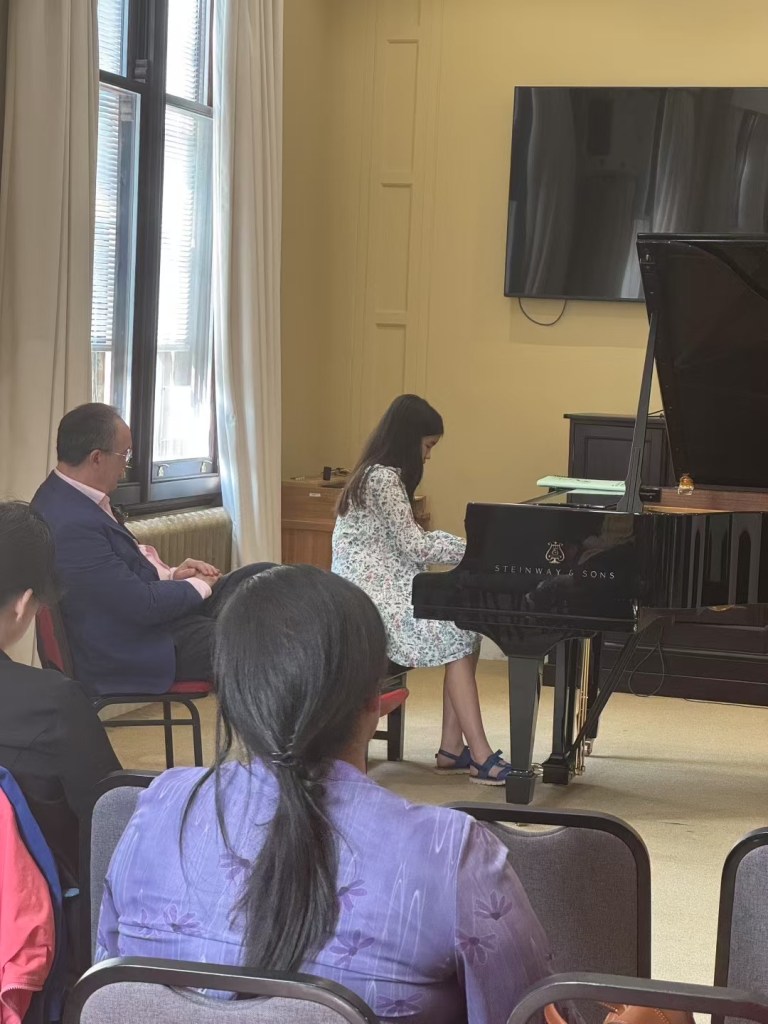
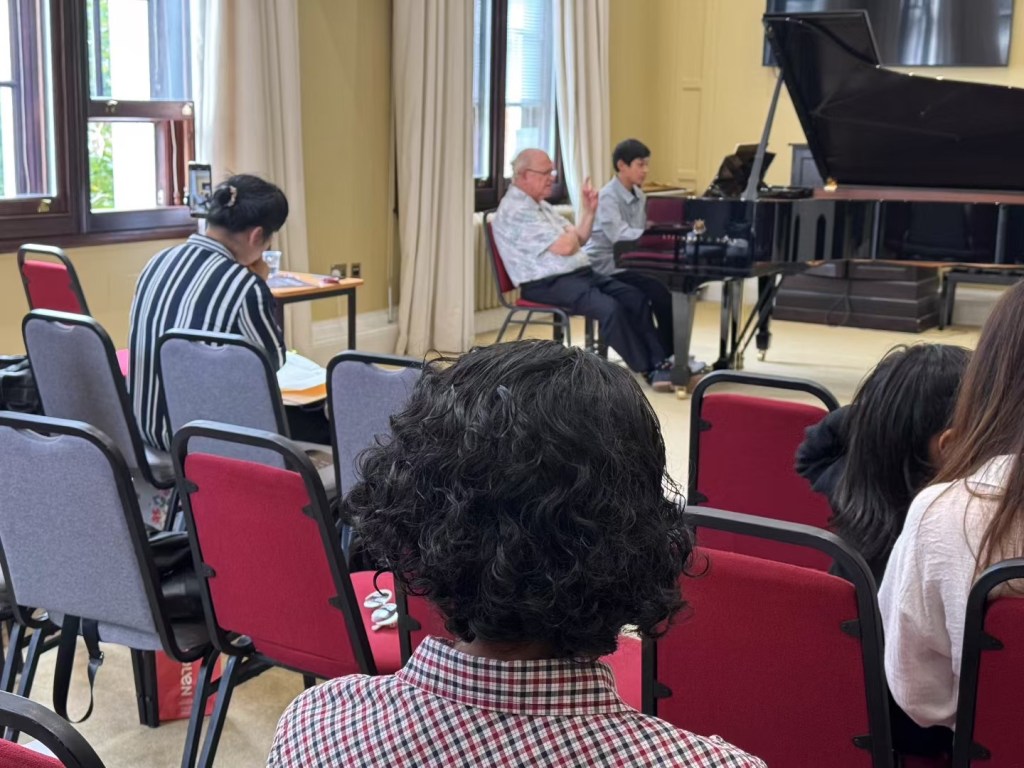
Many of this year’s participants came from the Far East, do you plan to make Opus One an even more global event?
Yes, definitely. We are thrilled to see so many local and international students of Asian descent, based in North America, the UK, and the Far East, joining us. We hope to continue nurturing their interest by incorporating repertoire that also reflects their cultural heritage in our concerts, and collaborating with international partners. Last year, we celebrated Japanese anime culture with a Studio Ghibli concert, and next year, we plan to include additional concerts showcasing world music.
At the same time, we want to note that the festival has attracted comparatively little interest from European students. As a truly global event cantered around European classical music, it will make perfect sense to welcome more European participants. We are excited to create new opportunities to encourage their involvement in future editions of the festival.
How will you build on this year’s new competition?
Next year, we are thrilled to expand the competition with additional age categories and a wider range of prizes, including a special award for women composers, a world music prize, and prizes for the best performances of Baroque, Classical, Romantic, and 20th-century repertoire. We will also encourage original compositions and present a concert featuring new works by participating composers. Winners will be celebrated in a special concert held two months after the festival. Additionally, we plan to broaden our public relations reach and actively seek partners and sponsors to support prizes, creating opportunities for collaboration and greater recognition for our participants.
What are your aims and goals for the summer school and festival?
Our aim is to create a world-class platform that nurtures young musicians at every stage of their development. The summer school is designed to inspire younger students by providing a strong musical foundation within a supportive environment, while offering more advanced students opportunities to refine their artistry, expand their repertoire, and gain real performance and industry experience. We also encourage the participation of professional musicians by incorporating them into our staff team and featuring them in staff concerts, providing valuable media attention and public exposure. Beyond training, the festival seeks to foster international cultural exchange, connecting musicians from diverse backgrounds and helping them grow both as artists and as global citizens.
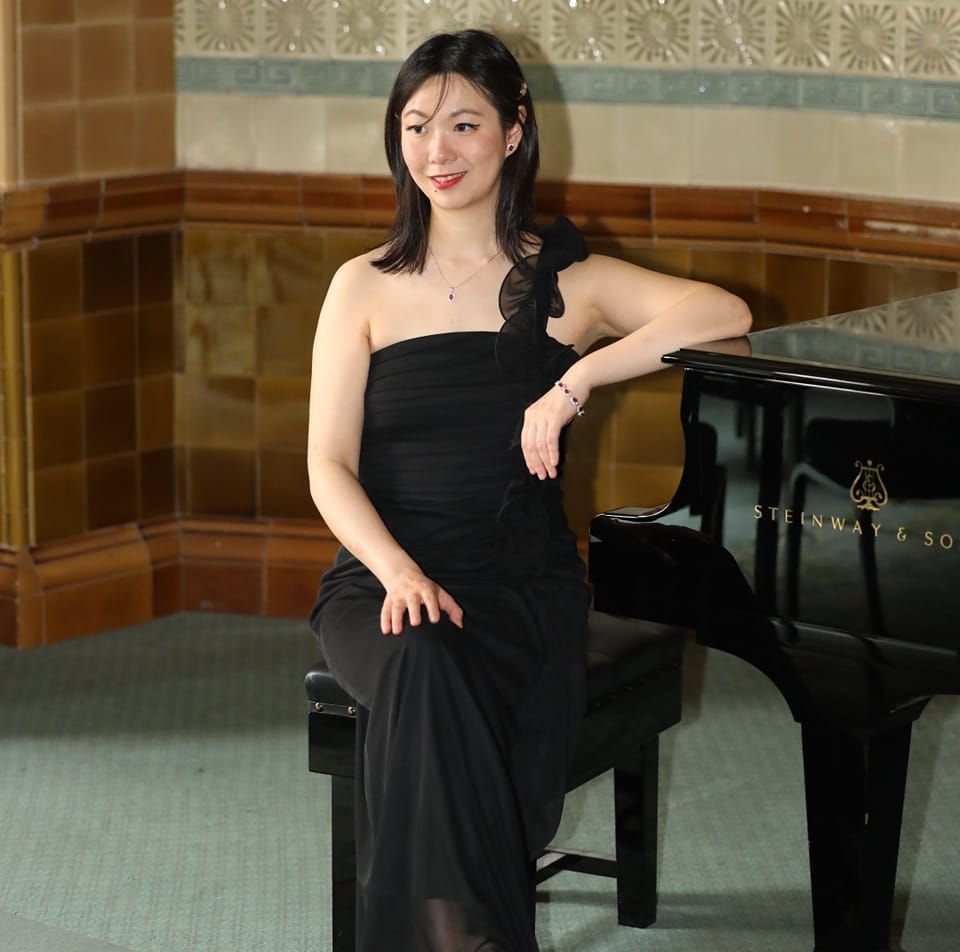
(Image: Anny Li)
You can enjoy a selection of performances including the 2025 competition winners on Opus One’s YouTube channel, by clicking here.
Find out more about the festival and competition by clicking here.

Absolutely spectacular! So much talent and beauty! I couldn’t help wondering whether Aaron Coltrane is related to John Coltrane???
Hi Barbara, Thank you so much! Glad you enjoyed the post. I’m not sure about the relationship between the two you’ve mentioned, sorry. 🙂