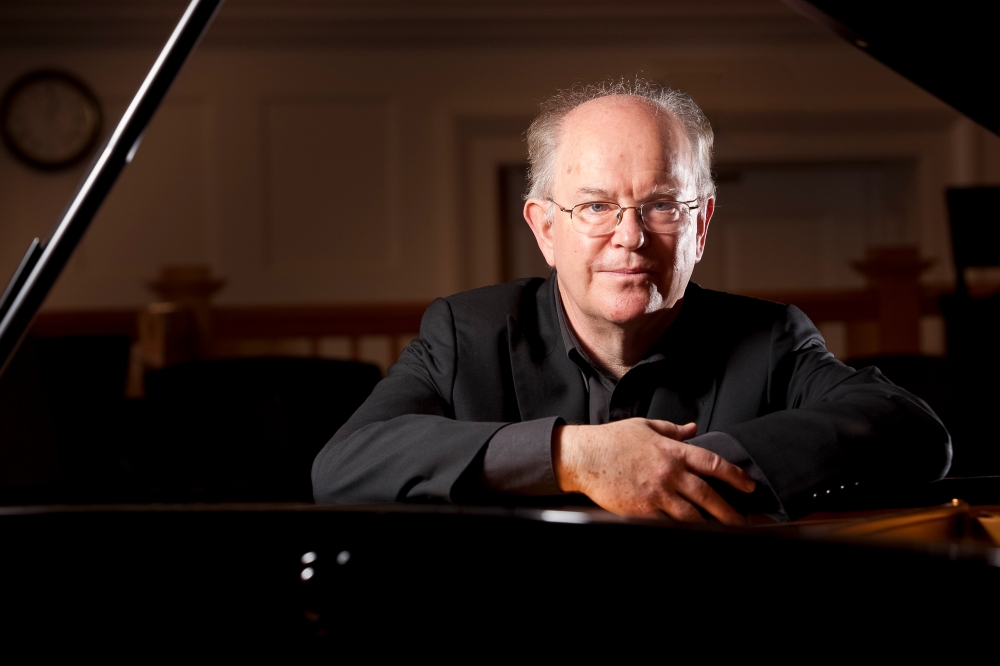
I enjoy hosting articles written by friends and colleagues on this blog. Pianist and piano professor Julian Jacobson is no stranger to my website, and you can read the very popular 2022 series he wrote documenting his Beethoven sonata marathon, here.
Today’s new series pays homage to Debussy; Julian will be performing the French composer’s complete Preludes Book 1 and Book 2 on Thursday June 6 2024, at 7.30 pm, at the 1901 Arts Club in London. Over the coming weeks, he will offer a sneak preview of his thoughts and experiences on preparing these works in this collection of posts. We begin with an introduction.
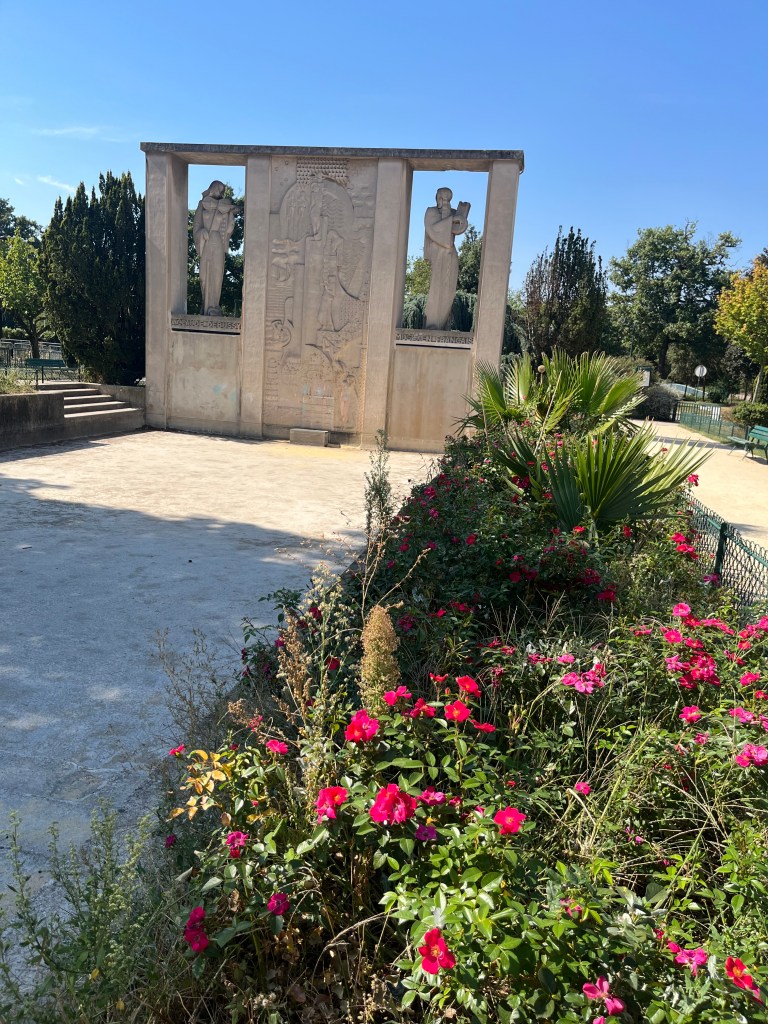
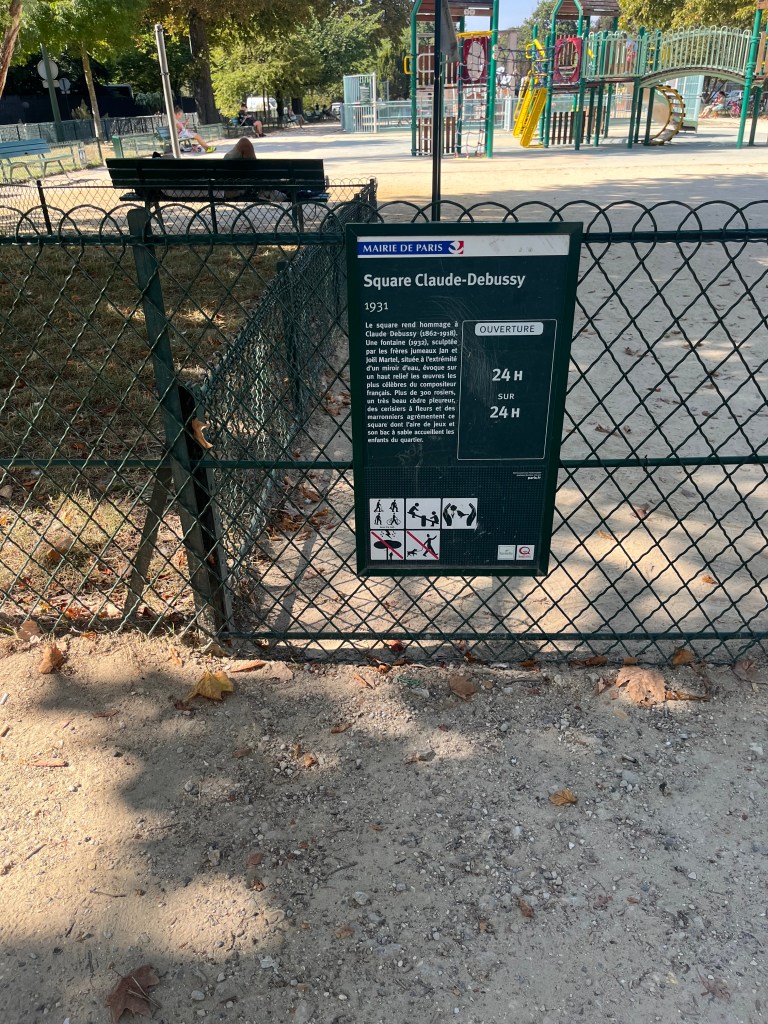
And so….here I go again! Having got my two 75th birthday Beethoven marathons out of the way in November 2022, and not planning to repeat the exercise any time soon, I began to feel that I was coasting, “andante senza moto”*, and that I needed a new challenge. Last summer I chanced to hear one of the less often played Debussy Preludes on the radio – a wonderful performance but I didn’t take in who it was – and the mental cogs started rumbling. As it happened, soon after that I had a short holiday in Paris, at the height of the September mini-heatwave, and I devoted one whole day to Debussy, visiting his grave in Père-Lachaise as well as the wonderful monument in the 16th arrondissement and getting as close to the house where he lived on the Avenue du Bois de Boulogne as it’s now possible to get (see photos below). By the time I got back to London, my mind was made up.

In fact I’ve been a faithful Debussy lover all my life. My first “hit” was the Première Arabesque when I was 9, followed a year later by the second, and I have never tired of these pieces which seem eternally fresh. I played a great deal of Debussy and other French music in my 20s and only gradually shifted more to the Austrian-German side. In 1987 I played the second book of Preludes at the Queen Elizabeth Hall. However I had played less than half of the first book, so it’s been a steep learning curve! Any experienced Debussy player knows that getting the notes right is only the beginning – and that itself isn’t so easy, even when there is no obvious technical difficulty. Some of the slow and quiet ones take a long time and need a lot of patience before they begin to “bed in” and flow naturally. Intricate, subtle and full of the most delicate nuances, they repay as much study as one can give them! I’ll be describing my own experience of preparing, or revising, some of them in further posts.
*thank you PDQ Bach