
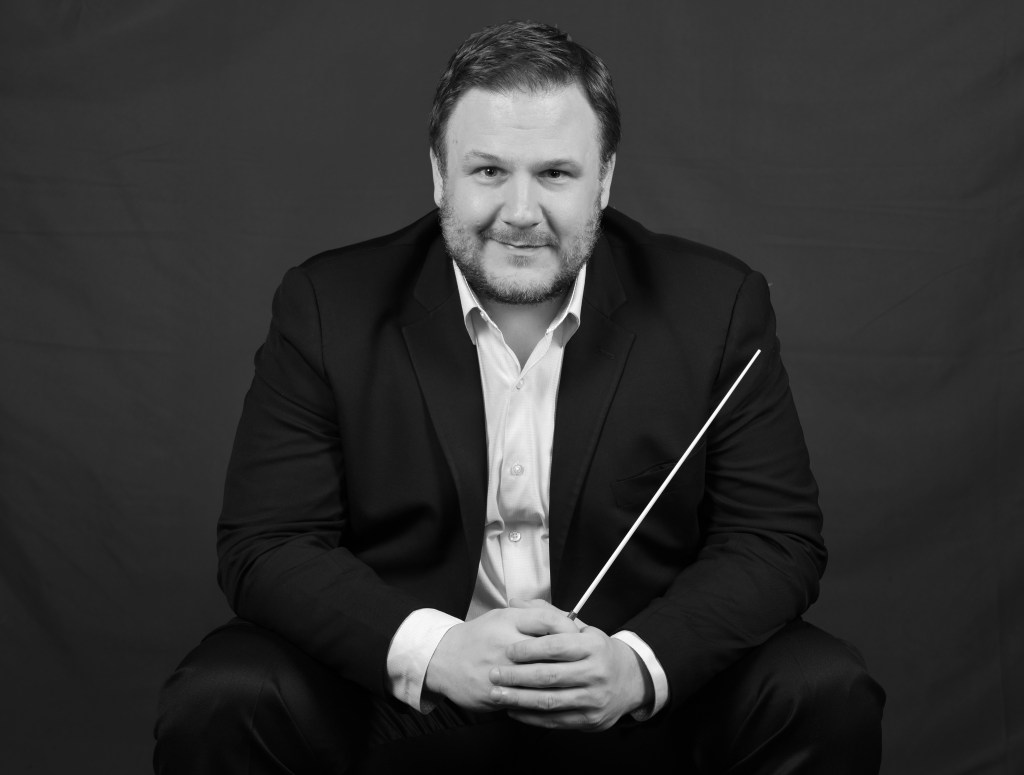
The guest writer for today’s piece is John Jesensky, a film composer from the US. Here, he provides some excellent suggestions for career advancement in addition to beneficial advice for those just entering the field.
Embarking on becoming a composer is a rewarding yet challenging endeavour. Whether you are drawn to the classical symphonies of the past or the innovative sounds of contemporary music, mastering composition requires dedication, creativity, and continuous learning. Valuable advice for aspiring composers emphasises the importance of foundational skills and personal expression. Additionally, the transformative role of technology in composition, particularly in educational settings, highlights how modern tools can enhance learning and creativity.
Develop a Strong Foundation
Aspiring composers must first build a solid foundation in music theory and history. Understanding the structure of music, from scales and chords to complex harmonic progressions, is essential. Studying the works of great composers across different eras can provide invaluable insights into various styles and techniques. This foundational knowledge not only aids in creating technically sound compositions but also inspires innovative approaches by learning from the masters.
In addition to theoretical knowledge, practical experience is crucial. Composers should actively engage in writing music, experimenting with different genres, and seeking feedback from mentors and peers. Participation in workshops, masterclasses, and music festivals can also provide opportunities for growth and exposure. Remember, persistence and a willingness to learn from mistakes are key to developing one’s unique voice as a composer.
Embrace Personal Expression
While technical proficiency is important, personal expression truly sets a composer apart. Aspiring composers should strive to find their distinctive voices by exploring their emotions, experiences, and cultural backgrounds through music. This process often involves stepping outside one’s comfort zone and taking creative risks. Composers should not be afraid to experiment with unconventional sounds and structures, as innovation often stems from breaking traditional boundaries.
Moreover, collaboration with other musicians, artists, and even professionals from different fields can enrich a composer’s perspective and inspire new ideas. Engaging with diverse artistic expressions can lead to unique and compelling compositions. Ultimately, the goal is to create music that resonates with the composer and the audience, evoking emotions and telling deeply personal stories yet universally relatable.
The Role of Technology in Composition
Technological Advancements in Music Education
Technology has revolutionised the field of music composition, particularly in educational contexts. Digital audio workstations (DAWs), notation software, and virtual instruments have made composition more accessible to students and professionals. I would add that these tools allow composers to experiment with different sounds and arrangements without needing a full orchestra or studio, making it easier to realise their creative visions.
In educational settings, technology facilitates interactive and immersive learning experiences. Online platforms and apps provide tutorials, exercises, and feedback mechanisms that help students understand complex concepts and improve their skills. Additionally, technology enables remote collaboration and learning, allowing aspiring composers to connect with mentors and peers worldwide. This global exchange of ideas and knowledge fosters a richer learning environment and exposes students to a broader range of musical traditions and innovations.
Interactive Learning Tools and Resources
One of the most significant benefits of technology in music education is the availability of interactive learning tools and resources. These tools provide students with hands-on experience and immediate feedback, making learning more engaging and effective. For example, music theory apps often include exercises that adapt to the learner’s skill level, ensuring personalised progression. Similarly, notation software allows students to visualise and hear their compositions in real time, enhancing their understanding of musical structures and dynamics.
Moreover, video tutorials and online courses from renowned composers and educators offer in-depth insights into composition techniques and industry practices. These resources often include step-by-step guides, masterclasses, and discussion forums, creating a comprehensive learning ecosystem. By leveraging these interactive tools, aspiring composers can develop their skills at their own pace and receive guidance tailored to their specific needs.
Enhancing Creativity and Efficiency
Beyond education, technology plays a crucial role in enhancing creativity and efficiency in composition. Advanced software and AI-powered tools can assist composers in generating ideas, structuring compositions, and even orchestrating pieces. These tools can analyse and suggest improvements, providing composers with new perspectives and creative possibilities. For instance, AI algorithms can compose music based on the composer’s specific parameters, offering a fresh source of inspiration and experimentation.
Moreover, technology streamlines the composition process, allowing composers to focus more on creativity than technical details. Automated transcription, arrangement, and production features save time and reduce the manual workload. This efficiency enables composers to produce more music and explore different projects simultaneously. Ultimately, embracing technology can lead to more innovative and diverse compositions, pushing the boundaries of what is possible in music.
Navigating the Music Industry
Understanding the business side of music is essential for aspiring composers who aim to make a living from their craft. Knowledge of copyright laws, music licensing, and contract negotiations is crucial in protecting one’s work and securing fair compensation. Composers should familiarise themselves with different revenue streams, such as royalties, commissions, and performances, to build a sustainable career.
Networking is another critical aspect of navigating the music industry. Building relationships with fellow musicians, producers, and industry professionals can lead to collaboration opportunities and valuable mentorship. Attending music conferences, participating in industry events, and joining professional organisations can expand a composer’s network and increase their visibility within the industry.
The Importance of Emotional Resilience
The journey of a composer is filled with highs and lows, and emotional resilience is essential for navigating this path successfully. Composers often face rejection, criticism, and self-doubt, which can be discouraging. Developing emotional resilience helps composers to persevere through these challenges and continue to grow in their craft. This involves maintaining a positive mindset, learning from setbacks, and staying focused on long-term goals.
Additionally, balancing personal life and professional ambitions is crucial for emotional well-being. Composers should practice self-care, seek support from friends and family, and engage in activities that bring joy and relaxation. Nurturing their mental health can help them sustain their creativity and passion over the long haul.
Conclusion
The journey of an aspiring composer is a blend of rigorous training, personal exploration, and technological integration. Composers can unlock their full potential by building a strong foundation in music theory and history, embracing their unique voices, and leveraging modern technological tools. Technology, in particular, has transformed both the educational landscape and the creative process, offering new opportunities for learning, experimentation, and collaboration. As composers navigate this dynamic field, I advise that they must remain open to continuous learning and innovation, ultimately creating music that resonates deeply with audiences and stands the test of time.

Sincerely,
Martin
Many thanks, Martin! 🙂